

I'm hitting my September stride which includes making appointments to check in with my family doctor and gynecologist. It also means taking my blood pressure at home a few times before setting foot in their office as I have "White Coat Hypertension" - that's when your blood pressure is only high (130/80 mmHg or above) when taken by someone else, and below that when taken at home.
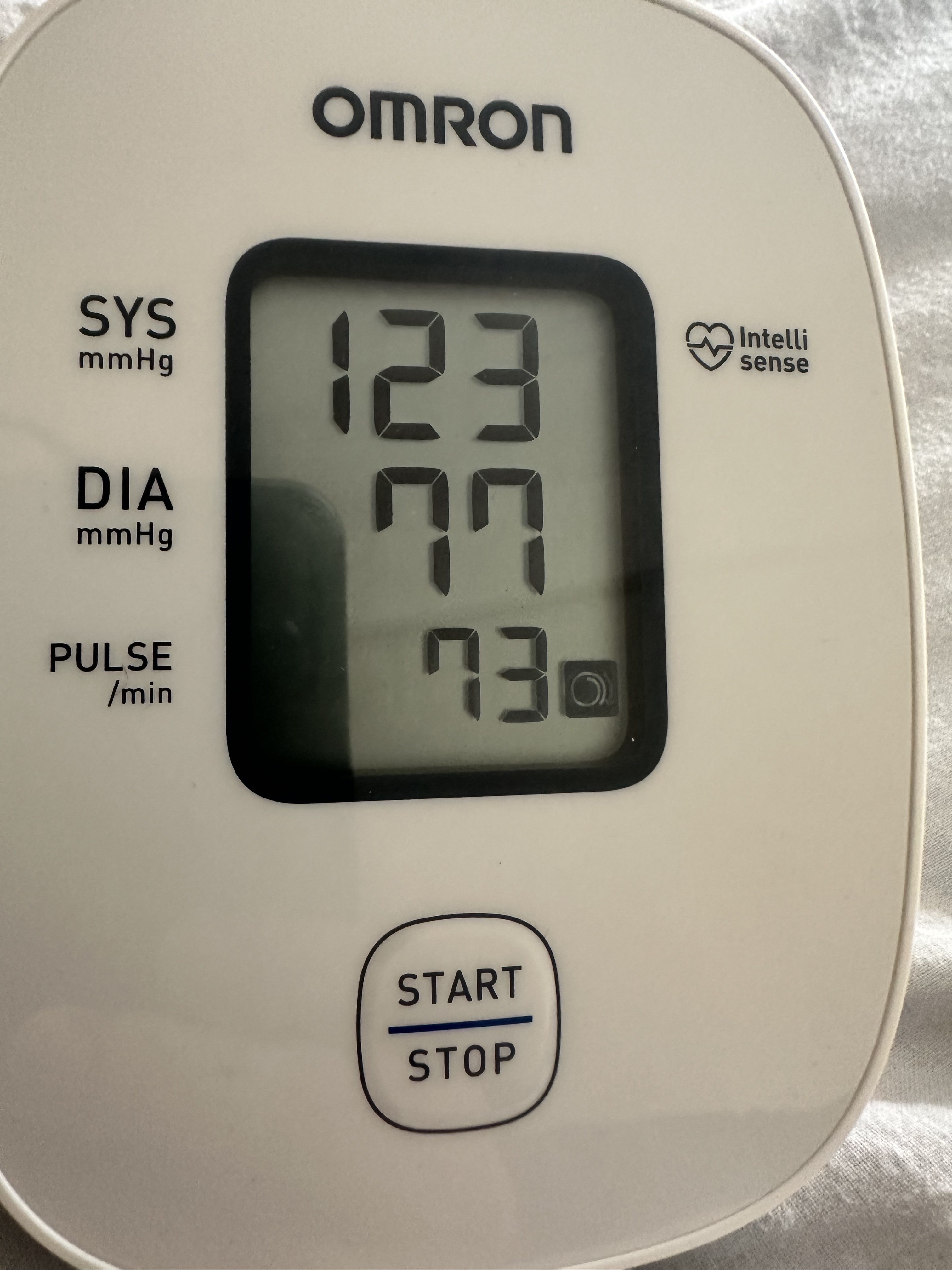
My White Coat Hypertension Story
Fifteen years ago I was at the end of my first trimester with what I thought was our second child. A few weeks later (October 8th, 2009 at 3:45 pm to be exact 😂) we found out I was pregnant with twins. Along with the excitement (and shock), came a weekly roster of medical appointments now that my pregnancy was "high risk". Compared to my first pregnancy two years earlier, this one felt different right from the beginning. Once I crossed the 32-week mark (a respectable milestone for twins), it felt like the wheels fell off pretty quickly.
One of the first changes was my blood pressure. Always a reliable 110/60 (or lower), it started creeping up to 150/100 over a 2-week period. My doctor wasn't worried worried, but I was. At exactly 34 weeks and 1 day, I found myself on hospital bedrest for pregnancy-induced hypertension and pre-eclampsia. My bedrest would only last 6 days as my blood pressure continued to climb topping out at 179/110 on the day they were born.
Thankfully, my blood pressure returned to normal within a few days, but my fear (and hatred) of having my blood pressure taken did not. As much as I'd like to avoid it, I know that keeping an eye on my blood pressure is more important than ever as I settle into post-menopause.
Menopause and Blood pressure
While blood pressure tends to increase for everyone with age, approximately 1/3 of women will notice a jump around the time of menopause, according to SWAN researchers. The others will either have a slow and steady rise or experience an increase earlier in life that stabilizes (or slows down) around menopause.
Changes in estrogen, along with progesterone and testosterone are certainly involved, but it's the convergence of other risk factors in midlife (including having high blood pressure in pregnancy) that put blood pressure on everyone's radar.
And despite the tendency to dismiss white coat hypertension, we probably shouldn't ignore it as people who have it are still more likely to develop high blood pressure than those who don't, although not everyone will.
You can read more about menopause and blood pressure, including nutrition considerations, in this blog post:
 |
5 Tips For Healthy Blood Pressure in Menopause
- Keep your medical, pregnancy, and family history in mind. Do you have a parent or sibling with high blood pressure, or had hypertension in pregnancy?
- Consider checking your blood pressure at home, especially if you have white coat hypertension. You can find guidelines for at-home monitoring here.
- Be mindful of salt intake as salt-sensitivity increases with menopause. No need to avoid it altogether, but consider choosing lower-sodium options when you can.
- Take a holistic view of blood pressure, and prioritize overall heart health, not just lower readings.
- Use intuitive eating's nutrition by addition to add foods that can support both heart health and blood pressure.
The new season of the podcast is just 4 days away! Click here to subscribe wherever you listen to podcasts so you don't miss an episode. :)
See you soon!
Jenn






Responses